The "Bharat Ratna” Award was established on 2nd January 1954 by
the first President of India- Babu Rajendra Prasad along with the
following 3 “Padma Awards”:

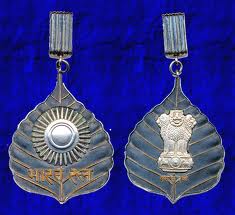
"Bharat Ratna" Award is conferred on Indian Citizens, including resident and non-resident , and also on Foreigners for the highest degrees of national services rendered in the fields of:-
After January 1955 provision was made for issue of posthumous Bharat Ratna award.
From the year 1954 To 2013, “Bharat Ratna” award has been given to 41 Indian Citizens (both Resident and non-resident) and including the following 3 foreigners:-
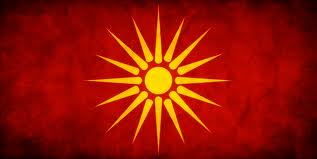
Mother Theresa belongs to the Republic of Macedonia
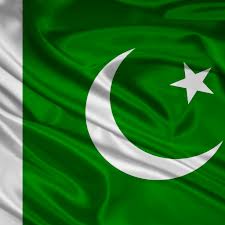
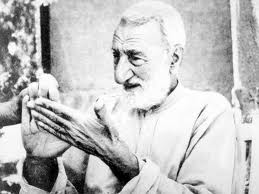
Khan Abdul Ghaffar Khan belongs to Pakistan

The following is the list of the “Bharat Ratna”-Award Recipients from the year 1954 to the year 2013:-
Recipients of 1954 :
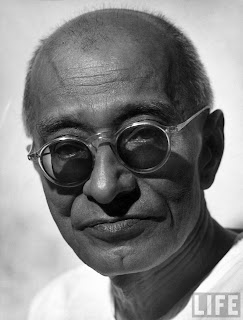
2. Chakravarti Rajagopalachari /Rajaji(1878–1972)- The last Governor General of British India who was also an Indian Freedom Fighter, belonging to Tamilnadu
Recipients of 1955 :-
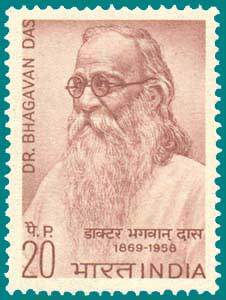
4. Dr.Bhagwan Das (1869–1958)- A Man of Literature and an Indian Freedom Fighter belonging to Uttar Pradesh
Recipient of 1956: None
Recipient of 1957 : One
7. Mr. Govind Ballabh Pant (1887–1961)- An Indian Freedom Fighter and Home Minister of Indian Union belonging to Uttar Pradesh, now Uttarakhand

Recipient of 1958 : One
8. Dhondo Keshav Karve (1858–1962) –An Educationist and a Social Reformer belonging to Maharashtra- Awarded Bharata Ratna in his birth centenary year 1958

Recipient of1959 & 1960: None
Recipients of 1961 : Two
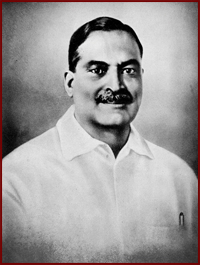
9. Dr. B. C. Roy (1882–1962)_ A Physician, Politician and Former Chief Minister of West Bengal belonging to West Bengal

14. Lal Bahadur Shastri (1904–1966)--The Second Prime Minister of India a Freedom Fighter belonging to Uttar Pradesh- Awarded Posthumously

Recipients From 1967 To 1970: None
Recipient of 1971 :One
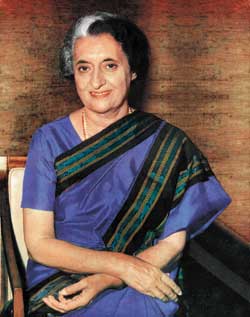
15.Mrs. Indira Gandhi –(1917–1984)- Former and the first and the only Lady Prime Minister of India/Daughter of Pandit Jawaharlal Nehru, belonging to Uttar Pradesh
Recipients From 1972 To 1974: None
Recipient of 1975 : One
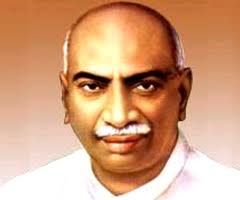
17.Mr.K. Kamaraj (1903–1975)--A Freedom Fighter-Former Chief Minister of Tamil Nadu belonging to Tamil Nadu-Awarded Posthumously
Recipient From 1977 To 1979:None
Recipient of 1980 : One
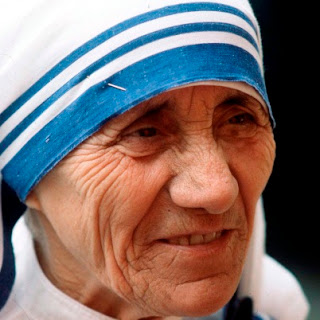
18 .Mother Teresa (1910–1997)- A Nobel Laureate (For Peace, 1979) A foreigner belonging to the Republic of Macedonia- dedicated to the Sick people of India especially for those who were affected by Leprosy
19.Acharya Vinoba Bhave (1895–1982)-- A Social Reformer and a Freedom Fighter belonging to Maharashtra-Awarded Posthumously

Recipient From 1984 To 1986:- None
Recipient of 1987 : One
Recipient of 1988 : one
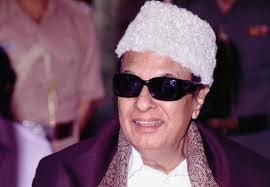
21.Mr. M. G. Ramachandran (1917–1987)- -Former Chief Minister of Tamil Nadu- Popular Cinema Actor belonging to Tamil Nadu- Awarded Posthumously
Recipient of 1989: None
Recipients of 1990 : Two
22.Dr.B. R. Ambedkar (1891–1956)- An Architect who played a key role in the formation of the Indian Constitution, a Social Reformer, Economist and Scholar belonging to Maharashtra-
Recipients of 1991 : Three
24.Mr.Rajiv Gandhi (1944–1991)- - Former Prime Minister of India/Son of Mrs.Indira Gandhi/Grand-son of Pandit Jawaharlal Nehru- belonging to New Delhi -Awarded Posthumously

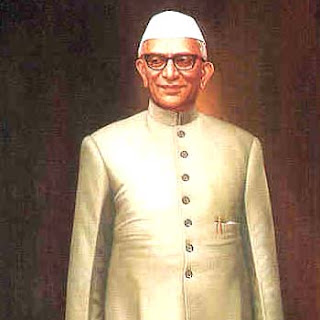
26. Mr.Morarji Desai (1896–1995)- A Former Prime Minister of India and an Indian Freedom
Fighter belonging to Gujarat. He was the First Ever Non-Congress Prime Minister of India.
Recipients of 1992 :Three
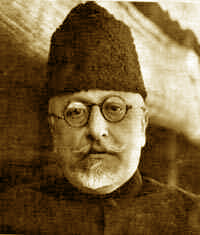
27. Mr. Maulana Abul Kalam Azad (1888–1958) – AFreedom Fighter and the First Education Minister of India belonging to WestBengal-Awarded Posthumously
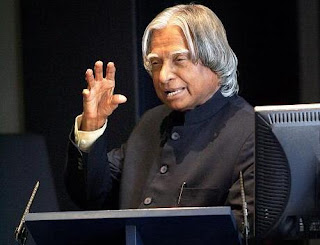
30. Dr. A.P.J. Abdul Kalam- Born in 1931- A Former President of India- Atomic Scientist belonging to Tamil Nadu
33 Mrs.M. S. Subbulakshmi (1916–2004)- A Carnatic music vocalist belonging to Tamil Nadu

Recipient From 2002 To 2007: None
Recipient of 2008 :One
Recipients From 2009 To 2012: None
For the Year 2013:
42. Sachin Tendulkar- (Born in the year 1973)- Sports Person / Cricketer -for his unreachable achievements and unbreakable records in the field of cricket, which earned good name and glory to India, in a span of 24 years.

43. Dr.C.N.R.Rao- Indian Chemist- the man behind India's maiden 'Mars'-Mission

For the Year 2014:None
For the Year 2015:
44. Atal Bihari Vajpayee (अटल बिहारी वाजपेयी) - Former Indian Prime Minister

Share or like on google+ or facebook
- Padma Vibhusan
- Padma Bhusan
- Padma Shri
The “Bharat Ratna” Award is the highest Civilian Award in India. “Bharat Ratna” means “Gem of India”.
"Bharat Ratna" Award is conferred on Indian Citizens, including resident and non-resident , and also on Foreigners for the highest degrees of national services rendered in the fields of:-
- Art
- Literature
- Science
- Public service of high orders
In the year 2011, the Government of India modified the eligibility criteria for "Bharat Ratna" Award from the earlier criteria- "for the highest degrees of national service" to - " "for performance of highest order in any field of human endeavour"- to enable eminent sports-persons to receive the nation's highest civilian award.
Initially, the” Bharat Ratna” award was conferred on only alive persons and the award was not intended to be given posthumous.
After January 1955 provision was made for issue of posthumous Bharat Ratna award.
From the year 1954 To 2013, “Bharat Ratna” award has been given to 41 Indian Citizens (both Resident and non-resident) and including the following 3 foreigners:-
Khan Abdul Ghaffar Khan belongs to Pakistan
The following is the list of the “Bharat Ratna”-Award Recipients from the year 1954 to the year 2013:-
Recipients of 1954 :
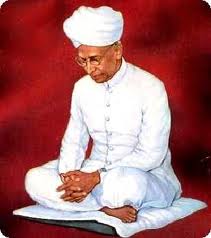
The Second President and the First Vice President of India, A
Philosopher belonging to Tamil Nadu whose birthday is commemorated as
“Teachers’ Day”.
2. Chakravarti Rajagopalachari /Rajaji(1878–1972)- The last Governor General of British India who was also an Indian Freedom Fighter, belonging to Tamilnadu
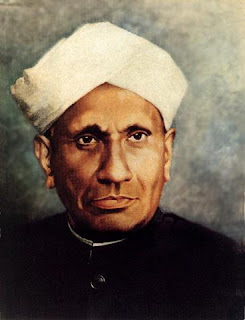
3.Sir C. V. Raman ( 1888–1970)- Nobel-prize winning Physicist belonging to Tamil Nadu
Recipients of 1955 :-
4. Dr.Bhagwan Das (1869–1958)- A Man of Literature and an Indian Freedom Fighter belonging to Uttar Pradesh
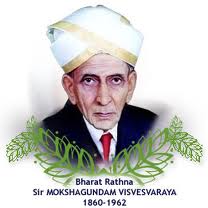
5.Sir Mokshagundam Visvesvarayya (1861–1962)- An Indian Civil Engineer and Dam Architect, A Diwan of Princely state of Mysore Karnataka
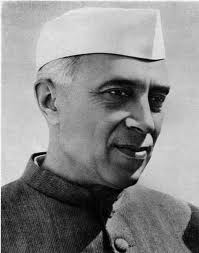
6. Pandit Jawaharlal Nehru (1889–1964)- The First Prime Minister of India and an Indian Freedom Fighter and Writer belonging to Uttar Pradesh
Recipient of 1956: None
Recipient of 1957 : One
7. Mr. Govind Ballabh Pant (1887–1961)- An Indian Freedom Fighter and Home Minister of Indian Union belonging to Uttar Pradesh, now Uttarakhand
Recipient of 1958 : One
8. Dhondo Keshav Karve (1858–1962) –An Educationist and a Social Reformer belonging to Maharashtra- Awarded Bharata Ratna in his birth centenary year 1958
Recipient of1959 & 1960: None
Recipients of 1961 : Two
9. Dr. B. C. Roy (1882–1962)_ A Physician, Politician and Former Chief Minister of West Bengal belonging to West Bengal
10.Mr.Purushottam Das Tandon (1882–1962)- An Indian- Freedom Fighter and an Educationist belonging to Uttar Pradesh

Recipients of 1962: None
Recipients of 1963 :Three
11. Dr.(Babu) Rajendra Prasad (1884–1963)- The first President of India, a Freedom Fighter and a Jurist belonging to Bihar
Recipients of 1962: None
Recipients of 1963 :Three
11. Dr.(Babu) Rajendra Prasad (1884–1963)- The first President of India, a Freedom Fighter and a Jurist belonging to Bihar
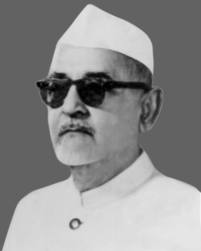
12. Dr. Zakir Hussain (1897–1969)-Former President of India and a Scholar belonging to Andhra Pradesh
13. Mr.Pandurang Vaman Kane (1880–1972)- Ideologist and Sanskrit scholar belonging to Maharashtra

Recipient of 1964 & 1965: None
Recipient of 1966 : One
Recipient of 1964 & 1965: None
Recipient of 1966 : One
14. Lal Bahadur Shastri (1904–1966)--The Second Prime Minister of India a Freedom Fighter belonging to Uttar Pradesh- Awarded Posthumously
Recipients From 1967 To 1970: None
Recipient of 1971 :One
15.Mrs. Indira Gandhi –(1917–1984)- Former and the first and the only Lady Prime Minister of India/Daughter of Pandit Jawaharlal Nehru, belonging to Uttar Pradesh
Recipients From 1972 To 1974: None
Recipient of 1975 : One
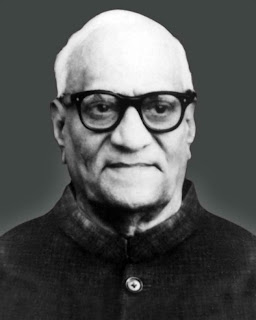
16.Mr.V. V. Giri (1894–1980)- Former President- Trade Unionist belonging to Orissa
Recipient of 1976 : One
Recipient of 1976 : One
17.Mr.K. Kamaraj (1903–1975)--A Freedom Fighter-Former Chief Minister of Tamil Nadu belonging to Tamil Nadu-Awarded Posthumously
Recipient From 1977 To 1979:None
The ‘Bharat Ratna” award had been kept suspended by the Government of India,from 13th July 1977 to 26th January 1980.
Recipient of 1980 : One
18 .Mother Teresa (1910–1997)- A Nobel Laureate (For Peace, 1979) A foreigner belonging to the Republic of Macedonia- dedicated to the Sick people of India especially for those who were affected by Leprosy
Recipient of 1981 &1982: None
Recipient of 1983 : One
Recipient of 1983 : One
19.Acharya Vinoba Bhave (1895–1982)-- A Social Reformer and a Freedom Fighter belonging to Maharashtra-Awarded Posthumously
Recipient From 1984 To 1986:- None
Recipient of 1987 : One
20.Mr.Khan Abdul Ghaffar Khan, known as "Frontier Gandhi", (1890–1988)- The first non-citizen awarded Bharata Ratna- A Freedom Fighter belonging to Pakistan
Recipient of 1988 : one
21.Mr. M. G. Ramachandran (1917–1987)- -Former Chief Minister of Tamil Nadu- Popular Cinema Actor belonging to Tamil Nadu- Awarded Posthumously
Recipient of 1989: None
Recipients of 1990 : Two
22.Dr.B. R. Ambedkar (1891–1956)- An Architect who played a key role in the formation of the Indian Constitution, a Social Reformer, Economist and Scholar belonging to Maharashtra-
Awarded Posthumously-

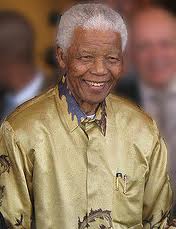
23. Dr.Nelson Mandela-Born in 1918-The Second non-citizen and the non-Indian awarded Bharat Ratna- A Leader of Anti-Apartheid movement belonging to South Africa
Recipients of 1991 : Three
24.Mr.Rajiv Gandhi (1944–1991)- - Former Prime Minister of India/Son of Mrs.Indira Gandhi/Grand-son of Pandit Jawaharlal Nehru- belonging to New Delhi -Awarded Posthumously
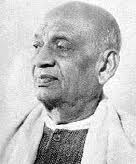
25.Sardar Vallabhbhai Patel (1875–1950)- An Indian Freedom Fighter and the First Home Minister of India belonging to Gujarat-Awarded Posthumously-
26. Mr.Morarji Desai (1896–1995)- A Former Prime Minister of India and an Indian Freedom
Fighter belonging to Gujarat. He was the First Ever Non-Congress Prime Minister of India.
Recipients of 1992 :Three
27. Mr. Maulana Abul Kalam Azad (1888–1958) – AFreedom Fighter and the First Education Minister of India belonging to WestBengal-Awarded Posthumously
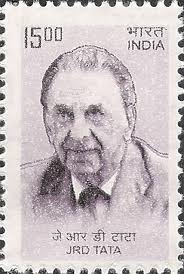
28. Mr.J. R. D. Tata (1904–1993)- An Industrialist and a philanthropist belonging to Maharashtra
29.Mr.Satyajit Ray (1922–1992)- A popular Bengali -Film Director-An Oscar Award-winner belonging to West Bengal

Recipient From 1993 To 1996: None
Recipients of 1997 :Three
Recipient From 1993 To 1996: None
Recipients of 1997 :Three
30. Dr. A.P.J. Abdul Kalam- Born in 1931- A Former President of India- Atomic Scientist belonging to Tamil Nadu
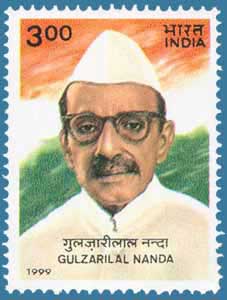
31.Mr.Gulzarilal Nanda (1898–1998)-An Indian Freedom Fighter and a former(Acting) Prime Minister of India belonging to Punjab
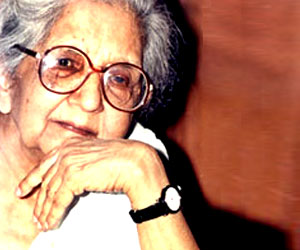
32. Ms.Aruna Asaf Ali (1908–1996) An Indian Freedom Fighter belonging to West Bengal-Awarded Posthumously
Recipients of 1998 :Two
Recipients of 1998 :Two
33 Mrs.M. S. Subbulakshmi (1916–2004)- A Carnatic music vocalist belonging to Tamil Nadu
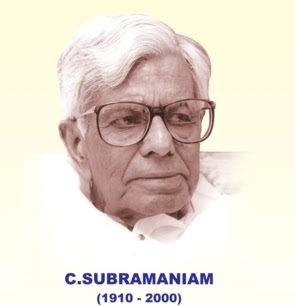
34.Mr.Chidambaram Subramaniam/C.S. (1910–2000)- An Indian Freedom Fighter and former Indian Union Minister of Agriculture - belonging to Tamil Nadu
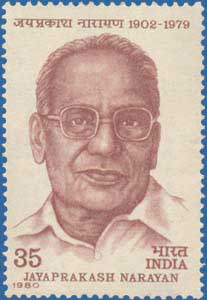
35. Mr.Jayaprakash Narayan (1902–1979)- A Freedom -Fighter and a Social Reformer belonging to Bihar- Awarded Posthumously
Recipients of 1999 : Three
Recipients of 1999 : Three
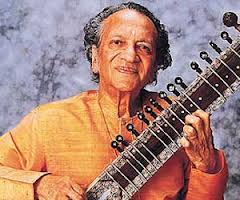
36 .Pandit Ravi Shankar (1920-2012) -A Classical-Sitarist belonging to Uttar Pradesh.
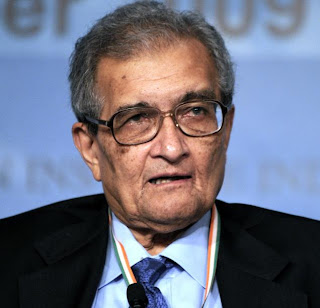
37. Dr.Amartya Sen- Born in 1933- An Indian Economist and a Nobel Laureate ( For Economics, 1998),-belonging to West Bengal
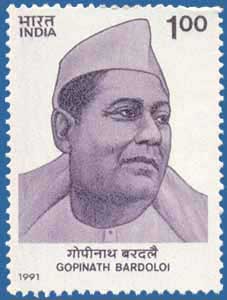
38. Mr.Gopinath Bordoloi (1890–1950)-- An Indian freedom fighter belonging to Assam- Awarded Posthumously
Recipient of 2000: None
Recipients of 2001 : Two
Recipient of 2000: None
Recipients of 2001 : Two
39. Ms.Lata Mangeshkar- Born in 1929- A Hindi -Cinema-Play back Singer belonging to Maharashtra

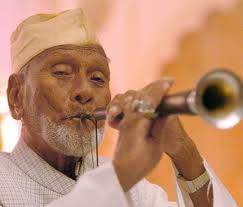
40. Ustad Bismillah Khan (1916-2006)- A Classical Shehnai- Maestro belonging to Bihar
Recipient From 2002 To 2007: None
Recipient of 2008 :One
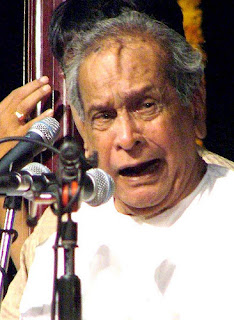
41. Pandit Bhimsen Gururaj Joshi (1922-2011) A Hindustani classical vocalist belonging to Karnataka.
Recipients From 2009 To 2012: None
For the Year 2013:
42. Sachin Tendulkar- (Born in the year 1973)- Sports Person / Cricketer -for his unreachable achievements and unbreakable records in the field of cricket, which earned good name and glory to India, in a span of 24 years.
43. Dr.C.N.R.Rao- Indian Chemist- the man behind India's maiden 'Mars'-Mission
For the Year 2014:None
For the Year 2015:
44. Atal Bihari Vajpayee (अटल बिहारी वाजपेयी) - Former Indian Prime Minister
